

Why a Quieter Home Matters
Unwanted noise can make a home feel busy, even when everything else is in order. Sounds from traffic, neighbors, plumbing, appliances, pets, or other rooms may become especially noticeable during work, reading, relaxing, or sleep.
You do not always need major construction or expensive materials to make a difference. Small changes can absorb sound, block gaps, reduce vibrations, and create quieter areas throughout your home. Start with the sources that bother you most, then choose solutions that fit your space and budget.
Find the Main Sources of Noise
Before buying products or rearranging furniture, spend a few minutes identifying where the noise comes from. Listen at different times of day and note whether each sound is:
- Entering from outside: Traffic, lawn equipment, construction, or nearby activity.
- Traveling between rooms: Voices, televisions, music, or household activity.
- Created by vibrations: Washing machines, fans, pipes, or furniture touching the floor.
- Reflected by hard surfaces: Echoes caused by bare walls, floors, ceilings, and windows.
A simple list can help you focus on the most effective improvements. For example, curtains may help with outside noise, while a rug may do more to reduce sound inside a room.
Use Soft Furnishings to Absorb Sound
Hard surfaces reflect sound, while soft materials help absorb it. Adding textiles is one of the easiest ways to make a room feel quieter and less echoing.
Add Rugs and Floor Coverings
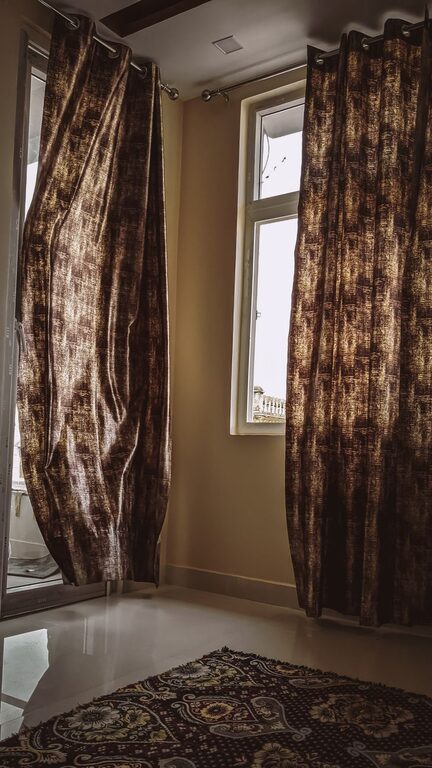
Area rugs reduce sound reflections and help soften footsteps. They are especially useful on wood, laminate, tile, and other hard floors. Place a rug in busy areas such as hallways, living rooms, dining spaces, and home offices.
A rug pad can add another layer of sound absorption and keep the rug from sliding. If you do not want to cover the entire floor, use smaller rugs near seating areas or in the center of rooms.
Hang Curtains
Curtains can soften echoes and reduce some noise coming through windows. Choose thick, tightly woven curtains that extend beyond the sides and bottom of the window. Full-length curtains generally provide more coverage than short panels.
For greater flexibility, use layered window treatments. A shade or blind can provide privacy and light control, while curtains add a soft surface that helps reduce reflected sound.
Bring in Upholstered Furniture
Sofas, armchairs, ottomans, cushions, and fabric-covered benches can make a noticeable difference in rooms with many hard surfaces. If a room feels loud and empty, adding comfortable furniture may reduce the echo without changing the structure.
Bookshelves filled with books also help break up sound reflections. Place them against a wall that faces a common noise source when possible.
Seal Gaps Around Doors and Windows
Small openings can allow more sound to pass through than expected. Check the edges of exterior doors and windows for visible gaps, loose frames, or worn seals.
Improve Door Seals
Weatherstripping around the sides and top of a door can close small spaces. A door sweep or draft stopper can cover the gap underneath. These products are often inexpensive and can also help reduce drafts and dust.
For rooms where sound control is especially important, consider a solid-core door instead of a lightweight hollow door. A heavier door usually blocks more sound. If you rent your home, focus on removable options such as draft stoppers and adhesive weatherstripping.
Check Windows
Make sure windows close fully and that their seals are in good condition. Replace damaged weatherstripping and use removable caulk around fixed gaps if appropriate for your home.
Avoid covering vents or making changes that interfere with window operation. Any improvement should preserve safe ventilation and easy access to emergency exits.
Reduce Noise From Appliances
Many common household sounds come from appliances that vibrate or sit directly on hard surfaces. A few adjustments can make them quieter.
- Place a washing machine on a level surface and adjust its feet if it rocks during a cycle.
- Use anti vibration pads under washing machines, dryers, dishwashers, or small appliances.
- Keep appliances a short distance from walls so they do not rattle against them.
- Secure loose panels, handles, and shelves inside appliances.
- Clean fans and filters as recommended by the manufacturer to prevent excess rattling.
- Close cabinets and drawers fully so they do not vibrate when appliances are running.
If an appliance suddenly becomes much louder, inspect it for loose parts or an uneven position. Check the product manual before attempting repairs, and contact a qualified technician when needed.
Stop Vibrations From Spreading
Noise often travels through floors, walls, tables, and cabinets as vibration. Soft pads can separate an object from the surface beneath it.
Use felt pads under chair legs, table legs, lamps, speakers, and decorative items. Place a rubber or cork mat under equipment that vibrates, such as a compact fan, printer, or exercise machine.
Keep speakers and subwoofers away from shared walls and avoid placing them directly on the floor. A stable stand or isolation pad can reduce vibration and help keep sound contained.
Arrange Rooms With Noise in Mind
Furniture placement can create more distance between quiet areas and noise sources. If possible, place bookcases, closets, or storage cabinets along walls shared with a hallway, living room, or neighboring space. These items add mass and help break up sound movement.
Set beds, desks, and reading chairs away from exterior walls, thin doors, or loud appliances. In an open-plan home, use a tall bookcase, folding screen, or fabric room divider to separate active and quiet areas.
You can also create a designated quiet corner. Add a rug, curtains, upholstered seating, and a small bookshelf to make the area more comfortable for reading, focused work, or relaxation.
Use Everyday Habits to Lower Noise
Home routines can have just as much impact as materials and furniture. Simple habits include:
- Close doors gently instead of letting them slam.
- Use cabinet and drawer bumpers to soften closing sounds.
- Place a mat near entrances to reduce hard footsteps and dropped items.
- Use headphones at a considerate volume when listening to media.
- Run noisy appliances during suitable daytime hours.
- Keep keys, shoes, and other loose items in baskets or trays.
- Trim or secure anything that rattles when windows are open.
If you share your home with others, agree on quiet periods and common areas where sound should be kept low. Clear expectations can prevent repeated disturbances.
Make Changes Gradually
The best approach is to work in stages. Start with low-cost changes such as rugs, curtains, furniture pads, and door sweeps. Test each improvement before adding another so you can tell what works.
If noise remains a problem, consider larger projects such as replacing a lightweight door, adding a second layer of drywall, or improving a window. For structural changes, check local requirements and ask a qualified professional for guidance.
A quieter home usually comes from several small improvements working together. By softening hard surfaces, sealing gaps, reducing vibrations, and adjusting daily habits, you can create a more peaceful and comfortable space without taking on a major renovation.