

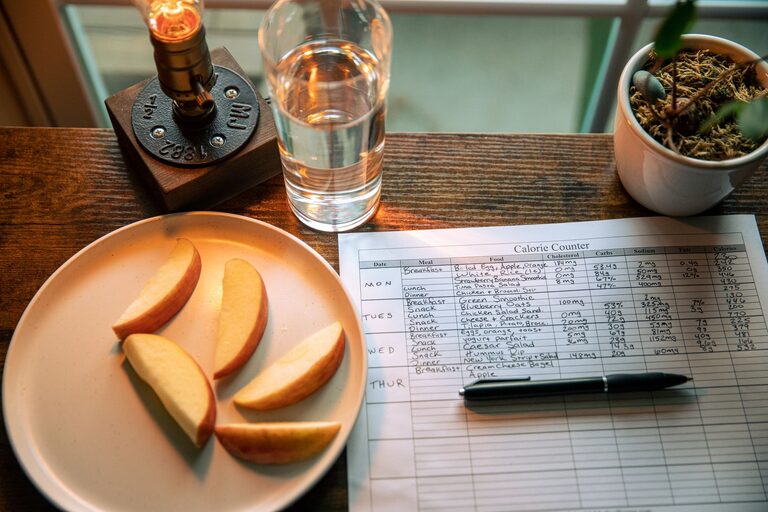
Planning balanced meals does not have to mean following a strict schedule or cooking complicated recipes every day. A simple approach can help you choose a variety of foods, reduce last-minute decisions, and make better use of the ingredients you already have.
The goal is not perfection. It is to create meals that feel satisfying, practical, and flexible enough for real life.
Start with a simple meal formula
A useful meal formula can make planning easier. Instead of searching for a new recipe every day, build meals from a few basic parts:
- A protein food: such as beans, lentils, eggs, fish, chicken, tofu, yogurt, or another favorite option.
- A vegetable or fruit: fresh, frozen, canned, or prewashed options can all work.
- A grain or starchy food: such as rice, oats, potatoes, pasta, bread, or tortillas.
- A flavorful addition: such as herbs, spices, salsa, dressing, cheese, nuts, or a simple sauce.
This formula is not a strict rule. Some meals may include more of one part and less of another. Its main purpose is to give you a starting point when you are unsure what to make.
For example, a quick bowl could include rice, black beans, roasted vegetables, and salsa. A simple breakfast might combine oatmeal, yogurt, fruit, and nuts. A sandwich can include a protein filling, vegetables, bread, and a side of fruit.
Plan by meal type, not every detail
Detailed meal plans can become tiring, especially when your schedule changes. A more relaxed method is to plan a few options for each type of meal.
You might choose:
- Two breakfast options
- Three lunch options
- Three or four dinner ideas
- Two easy snacks
This gives you variety without requiring a different meal every day. You can repeat favorite breakfasts or lunches throughout the week and reserve more variety for dinners.
Another option is to choose meal categories rather than exact recipes. For example:
- Monday: grain bowl
- Tuesday: tacos or wraps
- Wednesday: soup and bread
- Thursday: pasta with vegetables
- Friday: leftovers or a simple homemade pizza
Categories leave room to use what is available and adjust to your time and energy.
Use a short planning routine
A 15- to 20-minute planning session once a week can be enough. Choose a consistent day and follow the same steps each time.
1. Check what you already have
Look in the refrigerator, freezer, and pantry before making a shopping list. Note foods that need to be used soon and ingredients that can form the base of a meal.
This step helps prevent unnecessary purchases and may inspire easy combinations. For example, leftover vegetables can become a filling for an omelet, topping for rice, or addition to soup.
2. Review your schedule
Consider your busiest days. Plan quick meals, leftovers, or prepared ingredients for those times. On days when you have more time, you can cook a larger meal or prepare ingredients for later.
Be realistic about how often you want to cook. A plan that depends on cooking from scratch every night may not be sustainable.
3. Choose flexible meals
Select meals that can be adjusted based on what you have. Stir-fries, grain bowls, salads, soups, wraps, and pasta dishes are often easy to customize.
4. Make a focused shopping list
Group your list by area of the store, such as produce, refrigerated foods, pantry items, and frozen foods. Include ingredients that can be used in more than one meal.
For example, a bag of spinach might work in eggs, pasta, sandwiches, and smoothies. Cooked rice can be served with beans one day and used in a fried rice style dish the next.
Keep a list of dependable meals
Create a personal list of meals that are quick, familiar, and generally well received. This list can become your backup plan when you are tired or short on time.
Your list might include:
- Vegetable and bean tacos
- Chicken, tofu, or fish with rice and frozen vegetables
- Whole grain pasta with tomato sauce and a side salad
- Eggs with toast and fruit
- Lentil soup with bread
- Yogurt with oats, fruit, and nuts
- Hummus wraps with vegetables
There is no need to make these meals exactly the same each time. Change the seasonings, sauces, or side dishes to keep them interesting.
Make convenience part of the plan
Convenience foods can help you prepare meals when time is limited. Frozen vegetables, canned beans, prewashed greens, prepared grains, and store-bought sauces can reduce the number of steps involved.
You can also prepare a few ingredients in advance without cooking every meal at once. For example:
- Wash and cut vegetables.
- Cook a pot of rice, quinoa, or another grain.
- Prepare a simple dressing or sauce.
- Boil eggs for quick breakfasts or lunches.
- Portion nuts, fruit, or crackers for snacks.
Choose only the tasks that will genuinely help you. Meal preparation should save time, not create another demanding project.
Plan for leftovers wisely
Leftovers can make balanced meals easier, but they work best when you plan how to use them. Cook extra portions of ingredients that can appear in different meals rather than preparing a large amount of one dish that you may not want to eat repeatedly.
For example, roasted vegetables can be served with grains, added to a wrap, or mixed into pasta. A cooked protein can be used in a salad, sandwich, bowl, or soup.
Store leftovers in clearly labeled containers and keep them easy to see. If you do not expect to use them soon, freezing suitable portions can help reduce waste.
Leave room for flexibility
A meal plan is a guide, not a contract. Your appetite, schedule, and preferences may change during the week. If you skip a planned meal, move it to another day or save the ingredients for a different recipe.
It can help to include one or two “flex meals” in your plan. These might be leftovers, sandwiches, breakfast foods, or a simple meal assembled from pantry items. Flex meals reduce pressure and make unexpected changes easier to manage.
Use a balanced approach to snacks
Snacks can be simple combinations of foods you enjoy. Pairing two different types of food can make a snack more satisfying and add variety.
Ideas include:
- Fruit with yogurt
- Vegetables with hummus
- Whole grain crackers with cheese
- Toast with nut or seed butter
- Popcorn with fruit
- A small trail mix with dried fruit and nuts
Keep a few ready-to-eat options available so you are less likely to skip eating or rely on whatever is easiest at the last moment.
Focus on progress, not perfection
Balanced meal planning becomes easier when you repeat simple habits. Start with one planning session, a short list of dependable meals, and a few flexible ingredients. Over time, you will learn which foods your household enjoys, which recipes fit your schedule, and which shortcuts are worth using.
The best plan is one you can follow most of the time. Keep it practical, allow for changes, and remember that a balanced routine can be built from simple meals prepared in many different ways.