

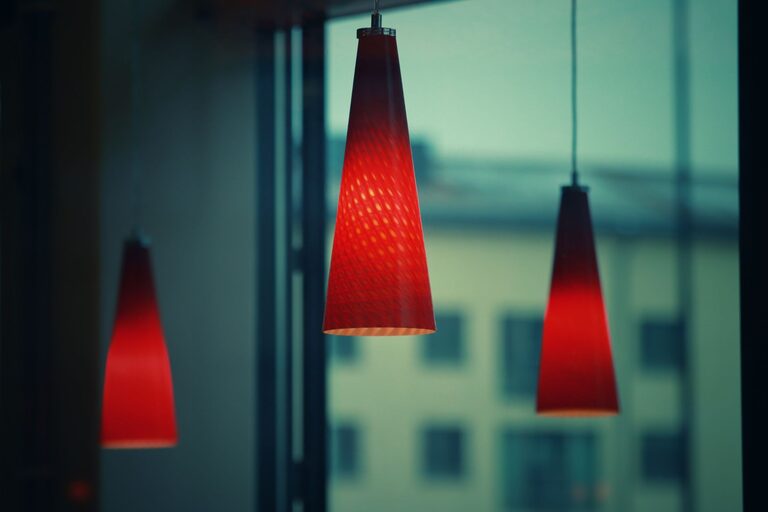
Good lighting can make a home feel welcoming, practical, and relaxing. It helps you read, cook, work, move safely, and enjoy the details of your space. However, choosing comfortable lighting involves more than picking a stylish fixture. Brightness, color, placement, and control all affect how a room feels.
The best approach is to layer different types of light instead of relying on a single ceiling fixture. With a few thoughtful choices, you can create lighting that suits each room and changes easily throughout the day.
Start With the Room’s Purpose
Before buying bulbs or fixtures, consider how each room is used. A kitchen, bedroom, and home office have different lighting needs, even if they are similar in size.
Ask yourself:
– What activities take place in the room?
– Does the room receive natural light?
– Are there areas that need extra brightness?
– Should the space feel energetic, calm, or flexible?
– Will the lighting need to change from day to evening?
For example, a kitchen may need clear, focused light for food preparation, while a bedroom usually benefits from softer lighting. A living room may need a combination of general, task, and decorative light so it can support conversation, reading, entertainment, and relaxation.
Use Three Layers of Lighting
Comfortable rooms usually include three basic layers: ambient, task, and accent lighting. Each layer serves a different purpose.
Ambient Lighting
Ambient lighting provides the room’s general illumination. It may come from ceiling fixtures, recessed lights, chandeliers, or wall-mounted fixtures. This is the light you use to move around the room and see its overall layout.
Ambient light should be broad and even. A single bright fixture in the center of the ceiling can create strong contrasts, leaving corners dark while making the area directly below it feel harsh. When possible, combine several smaller sources to spread light more evenly.
Task Lighting
Task lighting supports activities that require focused illumination. Examples include:
– Under-cabinet lights in a kitchen
– A desk lamp in a home office
– A reading lamp beside a chair
– Vanity lights near a bathroom mirror
– Lighting over a workbench or craft table
Task lighting should be placed so it shines on the work surface without creating glare or casting shadows. A desk lamp, for instance, should be positioned to one side of the writing area, with the shade adjusted to keep the light out of your eyes.
Accent Lighting
Accent lighting highlights features such as artwork, shelves, plants, architectural details, or decorative objects. It adds depth and visual interest without needing to illuminate the entire room.
Wall sconces, picture lights, spotlights, and small lamps can all serve as accent lighting. Use these sources selectively. A few well-placed lights often look more comfortable than many bright fixtures competing for attention.
Choose the Right Light Color
Light color is commonly described using a scale measured in Kelvin. Lower numbers generally create warmer, more golden light, while higher numbers produce cooler, whiter light.
For many homes, these ranges are useful:
– Warm white, around 2700K: cozy and relaxing
– Soft white, around 3000K: comfortable and versatile
– Neutral white, around 3500K to 4000K: clear and practical
– Cool white, above 4000K: crisp and energetic
Warm white bulbs often work well in living rooms, bedrooms, dining rooms, and entryways. Soft or neutral white can be useful in kitchens, bathrooms, laundry areas, and workspaces where clear visibility matters.
You do not have to use the same color temperature throughout your home. However, try to keep nearby fixtures reasonably consistent. Using noticeably different bulb colors in one room can make the space feel uneven.
Select Brightness Carefully
Brightness is often listed in lumens rather than watts. Lumens indicate how much light a bulb produces, while watts describe energy use. When replacing an older bulb, compare lumens to find a similar level of brightness.
More light is not always better. A very bright bulb can make a small room feel uncomfortable, especially when the fixture is exposed or the light reflects off glossy surfaces. Instead, think about how much light the room needs and whether it can be adjusted.
Dimmable fixtures are a practical choice because they allow you to change the atmosphere for different activities. Before purchasing, make sure the bulb, fixture, and dimmer are compatible. Some bulbs may flicker, buzz, or fail to dim smoothly when paired with the wrong control.
Reduce Glare and Harsh Shadows
Glare happens when a light source is much brighter than the surrounding area or shines directly into your eyes. It can come from exposed bulbs, shiny surfaces, uncovered windows, or poorly positioned fixtures.
To create a more comfortable setup:
– Choose lamps with shades or diffusers.
– Avoid placing exposed bulbs directly within your line of sight.
– Use curtains or blinds to manage strong daylight.
– Position desk and floor lamps slightly to the side.
– Add indirect light by reflecting it off walls or ceilings.
– Avoid placing bright fixtures directly above glossy tables or counters.
Shadows can also affect comfort and visibility. In kitchens and work areas, overhead lights may place your body between the light and the surface. Under-cabinet or side lighting can fill in these shadows and make the area easier to use.
Match Fixtures to Each Room
The fixture itself affects how light spreads and how the room feels. Open shades allow more light to escape, while opaque shades direct or soften it. Frosted glass, fabric, and paper shades can create a gentler effect than clear glass.
Consider these room-specific ideas:
Living Room
Combine a central fixture with floor lamps, table lamps, or wall lights. Use separate controls so you can create brighter light for activities and lower light for relaxing.
Kitchen
Use general ceiling lighting along with task lighting under cabinets or above work surfaces. Make sure counters, sinks, and cooking areas are not left in shadow.
Bedroom
Choose bedside lamps or wall-mounted reading lights, preferably with easy-to-reach switches. Soft, warm light usually creates a restful atmosphere.
Bathroom
Provide even lighting around the mirror to reduce shadows. A ceiling fixture alone may not provide enough light for grooming tasks.
Home Office
Use balanced ambient light with a desk lamp or adjustable task fixture. Place the lamp so it does not reflect directly on a screen.
Use Controls for Greater Flexibility
Lighting controls can make a well-designed system more useful. Standard switches are suitable for simple setups, while dimmers, timers, motion sensors, and smart controls offer more flexibility.
Group lights by purpose rather than connecting every fixture in a room to one switch. For example, you might use separate controls for ceiling lights, cabinet lights, and decorative lamps. This lets you turn on only what you need.
Motion sensors can be helpful in closets, hallways, and utility spaces. Timers or smart controls may be useful for outdoor lighting and areas where lights are often forgotten. Keep controls easy to find and simple to operate so everyone in the home can use them comfortably.
Check the Light Before Finalizing Your Choice
A bulb or fixture can look different in a store, online photo, and your own home. If possible, test lighting before buying several identical fixtures. Pay attention to how it affects wall colors, furniture, flooring, and reflective surfaces.
When evaluating a light, consider:
– Is the room bright enough for its main purpose?
– Are there noticeable dark areas?
– Does the light create glare?
– Do colors look natural?
– Can the brightness be adjusted?
– Does the fixture produce distracting noise or flicker?
– Does the fixture fit the room’s style and scale?
A comfortable lighting plan does not need to be expensive or complicated. Start with the activities that matter most, add light in layers, and choose fixtures and bulbs that can be adjusted. By balancing brightness, color, placement, and control, you can make every room more pleasant to use from morning through evening.