

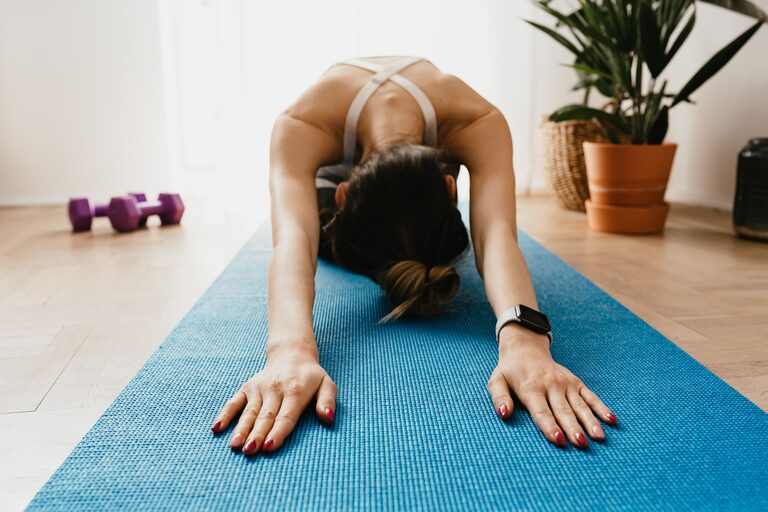
Stretching is a simple way to add movement to your day. It requires little space, no special equipment, and can be adapted to almost any fitness level. Whether you spend long hours at a desk, enjoy regular workouts, or simply want to move more comfortably, a basic stretching routine can be a useful part of your daily habits.
For beginners, the most important goals are consistency, comfort, and good technique. You do not need to be flexible to begin. With regular practice, gentle stretching can help you become more aware of how your body moves and may gradually improve your range of motion.
What Is Stretching?
Stretching involves moving your muscles and joints through a comfortable range of motion. Some stretches are held in one position, while others use slow, controlled movement.
There are two common types:
– Static stretching: Holding a position for a set amount of time.
– Dynamic stretching: Moving gently through a range of motion without holding one position for long.
Both types can be useful. Dynamic movements are often a good choice before exercise because they gradually prepare the body for activity. Static stretches are commonly used after exercise or during a separate flexibility session.
Why Stretch at Home?
A home stretching routine is easy to fit into your schedule. You can stretch in the morning, during a work break, after a walk, or before bed. Even five to ten minutes can help you create a regular habit.
Potential benefits include:
– Supporting everyday movement
– Helping you feel less stiff after sitting
– Improving body awareness
– Preparing your body for physical activity
– Encouraging relaxation and mindful breathing
– Supporting general flexibility over time
Stretching is not a replacement for strength training, aerobic activity, or rest. Instead, it can complement a balanced approach to movement.
How to Prepare for Stretching
You can stretch on a carpet, exercise mat, or another clean, stable surface. Wear comfortable clothing that allows you to move freely. You may also want a towel, cushion, or yoga mat for extra comfort.
Before static stretching, warm up with a few minutes of easy movement. Try walking around your home, marching in place, or gently moving your arms and legs. A warm-up helps you avoid stretching cold, inactive muscles.
Choose a space where you can move without bumping into furniture. Turn off distractions if possible, and give yourself enough time to move slowly.
Basic Stretching Guidelines
Good technique matters more than how far you can stretch. Keep these simple principles in mind:
Move Slowly
Enter and leave each stretch gradually. Avoid bouncing, jerking, or forcing your body into a position.
Use Gentle Tension
You should feel a mild pulling sensation, not sharp pain. If a stretch hurts, ease out of it and try a smaller range of motion.
Breathe Normally
Do not hold your breath. Take slow, comfortable breaths and allow your body to relax as you hold the position.
Keep Good Alignment
Try to keep your back, neck, and joints in a natural position. You do not need to make every stretch look perfect, but avoid twisting or collapsing into a position.
Stay Consistent
A short routine done regularly is usually more useful than a long session done once in a while. Aim for a few minutes at a time and build gradually.
Beginner Stretches to Try at Home
The following stretches cover several major areas of the body. Perform them gently and adjust each position to suit your comfort level.
Neck and Shoulder Stretch
Sit or stand tall with your shoulders relaxed. Slowly tilt your right ear toward your right shoulder without lifting the shoulder. Hold for about 15 to 20 seconds, then switch sides.
Next, roll your shoulders slowly backward several times, followed by a few forward rolls. Keep the movement controlled rather than making large, quick circles.
Chest Stretch
Stand near a doorway. Place your forearms against the door frame, with your elbows near shoulder height. Step forward slightly until you feel a gentle stretch across your chest and the front of your shoulders.
Keep your shoulders relaxed and avoid pushing too far. Hold for 15 to 30 seconds.
Upper Back Stretch
Sit or stand with your hands together in front of you. Reach your arms forward while gently rounding your upper back. Imagine spreading your shoulder blades apart.
Keep your neck comfortable and breathe slowly. Hold the position for 15 to 30 seconds.
Standing Side Stretch
Stand with your feet about hip-width apart. Raise your right arm overhead and slowly lean to the left. Keep both feet grounded and avoid twisting your body.
You should feel the stretch along the right side of your torso. Return to the center and repeat on the other side.
Calf Stretch
Face a wall and place both hands against it. Step your right foot back, keeping the heel on the floor and the toes pointing forward. Bend your front knee slightly while keeping the back leg long.
Hold for 15 to 30 seconds, then switch legs. Move your back foot closer or farther away to adjust the intensity.
Front Thigh Stretch
Stand near a wall or sturdy chair for balance. Bend your right knee and bring your heel toward your seat. Hold your ankle or the lower part of your pant leg, if comfortable.
Keep your knees close together and avoid arching your lower back. Hold gently, then switch sides. If you cannot reach your foot, skip this stretch or use a seated version.
Seated Hamstring Stretch
Sit on the edge of a sturdy chair with one foot flat on the floor and the other leg extended forward. Keep the extended leg slightly bent. Hinge forward from your hips while keeping your back comfortably long.
Stop when you feel a gentle stretch along the back of your thigh. Do not reach for your toes or round your back to force a deeper stretch.
A Simple Five-Minute Routine
If you are new to stretching, try this easy sequence:
- March in place for one minute.
- Roll your shoulders backward and forward for 30 seconds.
- Perform the standing side stretch on both sides.
- Hold the chest stretch for 20 seconds.
- Hold the calf stretch on each side for 20 seconds.
- Finish with the seated hamstring stretch on each side.
- Take a few slow breaths before standing up or moving on.
This routine can be used after a walk, during a work break, or as a gentle standalone session.
Common Beginner Mistakes
Many stretching problems come from trying to progress too quickly. Watch out for these common mistakes:
– Stretching until you feel pain
– Bouncing in a held stretch
– Holding your breath
– Comparing your flexibility with someone else’s
– Skipping a warm-up before deeper stretches
– Stretching only one side of the body
– Trying to make every session intense
Flexibility develops at different rates. Progress may be gradual, and that is normal. Focus on smooth movement and steady practice rather than reaching a specific position.
When to Be Cautious
Stop stretching if you feel sharp pain, sudden discomfort, numbness, tingling, dizziness, or unusual weakness. Avoid forcing a joint beyond a comfortable range of motion.
If you have an existing injury, a condition that affects movement, or questions about whether a particular stretch is suitable for you, speak with a qualified health professional before beginning. Choose stable surfaces and use support when balance is a concern.
Make Stretching a Regular Habit
The best routine is one you can maintain. Keep your mat somewhere visible, stretch while listening to music, or connect your routine to an existing habit such as brushing your teeth or finishing work.
Start with five minutes a day or a few sessions each week. Over time, you can add more stretches or hold positions for slightly longer. With patience and regular practice, stretching at home can become a simple, comfortable way to include more movement in your everyday life.