

A dark room can feel cozy, but it may also seem smaller, less welcoming, or difficult to use. The good news is that you do not need a major renovation to make the space feel brighter. A few thoughtful changes to lighting, wall color, furniture, and decor can make a noticeable difference.
Whether you are working with a room that has small windows or one that receives little natural light, these simple ideas can help create a lighter and more comfortable atmosphere.
Start With Better Lighting
Lighting is one of the quickest ways to brighten a dark room. Instead of relying on one ceiling fixture, use several light sources at different heights. This helps spread light evenly and reduces dark corners.
Try combining:
– A ceiling light for overall brightness
– Table lamps for task lighting
– Floor lamps for empty corners
– Wall lights for a soft glow
– Small accent lights for shelves or artwork
Choose bulbs with a warm white or soft white color for a comfortable look. If you want the room to feel especially fresh and bright, use bulbs labeled daylight or cool white in areas such as a home office, kitchen, or reading corner.
Light the Corners
Dark corners can make an entire room feel dim. Place a floor lamp, small table lamp, or uplight in areas that are often overlooked. A lamp that points toward the ceiling can reflect light around the room without creating harsh glare.
For a simple decorative touch, add a small lamp to a shelf or console table. Even a low-wattage light can make the space feel more balanced in the evening.
Make the Most of Natural Light
Keep windows as open as possible to bring in more daylight. Heavy curtains, crowded windowsills, and tall furniture can block light before it reaches the room.
Consider these easy changes:
– Replace thick curtains with lightweight fabric
– Use blinds or shades that can open fully
– Keep plants and decorations away from the glass
– Trim outdoor plants that block the window
– Clean the window glass regularly
Curtains in white, cream, beige, or another pale color can help reflect daylight into the room. Hang them slightly wider than the window so the fabric does not cover the glass when the curtains are open.
Choose Light Reflective Colors
Color has a strong effect on how bright a room feels. Pale shades reflect more light, while very dark colors absorb it. White is a classic choice, but it is not the only option.
Soft shades such as these can brighten a room without making it feel plain:
– Warm white
– Light gray
– Pale blue
– Soft green
– Cream
– Light beige
– Blush pink
If you prefer stronger color, use it on one wall or through accessories instead of covering every surface. A lighter ceiling can also make the room feel taller and more open.
Use Similar Colors Throughout the Room
A room with too many contrasting colors may feel visually busy and darker. Try using a simple palette with two or three related shades. For example, pair warm white walls with light wood furniture, cream textiles, and pale green accents.
This creates a smoother visual flow, helping the room feel more spacious and organized.
Add Mirrors in the Right Places
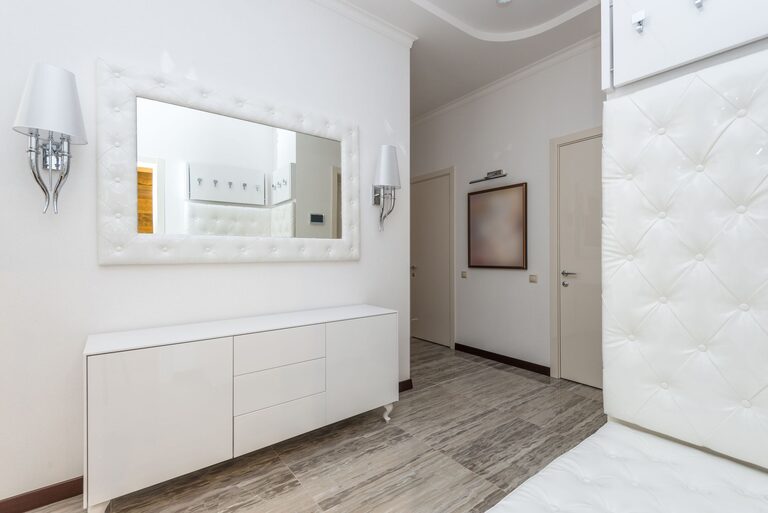
Mirrors can reflect both natural and artificial light, making them especially useful in a dark room. Place one across from or beside a window to help distribute daylight.
A large mirror can create the impression of more space, while a group of smaller mirrors can add personality. Choose frames in light wood, metal, or white if you want an airy look.
You can also use mirrored or reflective surfaces on:
– Cabinet doors
– Decorative trays
– Picture frames
– Glass tables
– Wall art
– Small accessories
Avoid covering every surface with reflective materials. A few carefully placed pieces will brighten the room without making it feel overly shiny.
Keep Furniture Light and Open
Large, heavy furniture can make a dark room feel crowded. If possible, choose pieces with slimmer shapes, raised legs, or open shelving. Furniture that allows light to pass underneath creates a lighter appearance.
For example, consider:
– A sofa with visible legs
– A coffee table with a glass or slim top
– Open bookcases instead of bulky cabinets
– Chairs with narrow frames
– A small console instead of a deep storage unit
Arrange furniture so it does not block windows or the main path through the room. Even a small change in layout can improve how light moves through the space.
Use Bright Textiles
Textiles are an easy way to add brightness without painting or replacing furniture. Swap dark rugs, curtains, and blankets for lighter versions in breathable-looking fabrics.
Good choices include:
– Cream or light gray rugs
– White or pale-colored bedding
– Linen-look curtains
– Light throw pillows
– Soft blankets in gentle colors
Patterns can work well, too. Choose designs with a light background and small touches of color rather than large, heavy patterns. This adds interest while keeping the room feeling fresh.
Add Reflective and Glossy Details
Reflective finishes can bounce light around the room. You do not need to replace major furniture to use this idea. Small details can have a similar effect.
Try adding a few items with:
– Glass
– Polished metal
– Ceramic
– Acrylic
– Glossy painted surfaces
A glass vase, metallic lamp base, or ceramic bowl can catch light and add a subtle glow. Use these finishes in moderation so the room remains warm and comfortable.
Choose Decor That Supports Brightness
Wall art and accessories can either brighten a room or make it feel heavier. Select artwork with light backgrounds, open designs, or bright accent colors.
Landscape prints, abstract artwork, and simple botanical illustrations can add visual depth without overwhelming the walls. White or light-colored frames can also help the wall feel more open.
Plants are another excellent choice. Greenery can bring energy to a dim space, especially when placed in a pale pot or basket. Choose plants that suit the available light, and avoid placing too many large plants near the window.
Reduce Visual Clutter
A cluttered room often feels darker because surfaces and pathways are blocked. Clear unnecessary items from tables, floors, and windowsills. Store everyday objects in baskets, drawers, or attractive boxes.
Use a simple rule: keep the items you use or enjoy, and find a practical home for everything else. Open space allows light to travel more easily and makes the room feel calmer.
Refresh One Area at a Time
You do not have to change the entire room in one day. Start with the area that feels darkest, such as a reading corner or a wall near the window. Add a lamp, move a piece of furniture, and introduce one light-colored accessory.
Once that area improves, continue with the next section. Small updates can gradually transform the whole room while keeping the process affordable and manageable.
Create a Brighter Room With Simple Changes
Brightening a dark room is mainly about helping light move through the space. Open the windows, use layered lighting, choose reflective surfaces, and keep colors and furniture light where possible. A tidy layout and a few carefully selected accessories can make the room feel larger, warmer, and more inviting.
Start with the easiest update, such as changing a lamp or removing heavy curtains. Then build on the improvement with mirrors, lighter textiles, and a more open furniture arrangement. With a few simple adjustments, even a naturally dim room can become a bright and welcoming part of your home.