

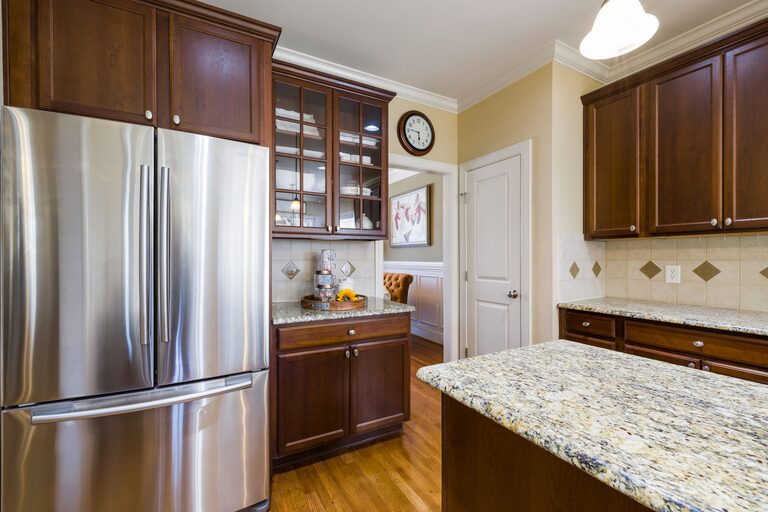
A tidy fridge and pantry can make everyday cooking easier. You can find ingredients faster, waste less food, and keep your kitchen feeling more organized. The key is not to create a perfect display, but to build simple habits that are easy to repeat.
With a few practical storage methods and a regular cleaning routine, you can keep both spaces neat without spending hours on them.
Start With a Full Reset
Before organizing your fridge or pantry, remove everything. Working shelf by shelf is often easier than taking out the entire contents at once, especially if you have a large kitchen.
As you remove each item, place it on a clean counter or table. Group similar items together, such as:
– Dairy products
– Fruits and vegetables
– Sauces and condiments
– Canned goods
– Pasta, rice, and grains
– Baking supplies
– Snacks
– Breakfast foods
Check the condition of each item. Look for expired products, damaged packaging, stale foods, and ingredients you no longer plan to use. Discard anything that is spoiled or unsafe, and set aside unopened items you will not use for donation if local guidelines allow.
This first step gives you a clear picture of what you have and prevents you from organizing clutter that should be removed.
Clean Before You Organize
A clean storage area is easier to maintain. Wipe shelves, drawers, and the inside walls with warm water and a mild cleaner suitable for the surface. Use a clean cloth to remove crumbs, spills, and sticky spots.
For the fridge, take out removable shelves and drawers if possible. Let glass shelves come closer to room temperature before washing them with warm water, since sudden temperature changes can cause cracking.
Dry all surfaces completely before returning food. Moisture can lead to unpleasant odors and make packages sticky.
Do not forget these often-missed areas:
– The back corners of shelves
– Under refrigerator drawers
– The door shelves
– Pantry floor corners
– The tops of tall containers
– The sides of food storage bins
Organize the Fridge by Food Type
Most people find food more easily when each part of the fridge has a purpose. Your fridge layout may vary depending on its design, but a simple system can work in nearly any model.
Use the Door for Commonly Used Items
The fridge door is convenient for items you reach for often, such as sauces, dressings, spreads, and drinks. Avoid letting the door become a catchall. Group similar bottles together and place taller containers toward the back.
Use small bins to keep packets, tubes, or single-serve items from falling over. If a bottle leaks, a removable bin is easier to clean than the entire shelf.
Keep Shelves Easy to Scan
Place ready-to-eat foods and frequently used ingredients where they are easy to see. Clear containers can help you identify leftovers quickly. Add a simple label with the food name and the date it was stored.
Keep taller containers toward the back only if they do not block smaller items. A useful rule is to leave a little open space around food so you can see what is available.
Use Drawers for Produce
Group fruits and vegetables in separate drawers when possible. Keep produce in containers or bags that allow appropriate airflow, and avoid overfilling the drawers. Crowded drawers make it harder to see what needs to be used.
Place delicate items where they will not be crushed. If certain fruits or vegetables are ready to use soon, move them to the front so they are less likely to be forgotten.
Make Leftovers Easy to Find
Leftovers often get lost behind newer groceries. To prevent this, create one clearly marked area for leftovers and opened foods.
Use matching, stackable containers when possible. They save space and make the fridge look less crowded. Choose containers that are easy to open and see through.
Before adding new food to the fridge, check whether you already have something that should be eaten first. You can also keep a small “use first” container at the front of a shelf. This is helpful for opened packages, cut produce, and leftovers.
A short weekly check can prevent food from being forgotten. Look through the use first area and plan a meal or snack around those ingredients.
Create Pantry Zones
A pantry is easier to manage when each category has a designated location. Choose zones that match the way you use your kitchen.
Common pantry zones include:
– Breakfast foods
– Canned foods
– Pasta and grains
– Baking supplies
– Snacks
– Spices and seasonings
– Cooking oils and vinegars
– Backstock items
Keep everyday products at eye level. Place less frequently used items on higher shelves and heavier containers on lower shelves. If children use the pantry, keep suitable snacks on a lower shelf or in an accessible basket.
Use bins or baskets to group small items. For example, one basket can hold snack bars, while another can hold packets and single-serve foods. Grouping prevents small packages from spreading across several shelves.
Use Containers Wisely
Storage containers can improve organization, but you do not need to transfer every item into a matching set. Use containers where they solve a specific problem.
Good uses include:
– Keeping open bags from spilling
– Storing loose baking ingredients
– Grouping small snack packages
– Protecting dry foods from moisture
– Making frequently used ingredients easier to pour
Choose clear containers when possible so you can see what is inside. Add labels if several foods look similar. Write the product name and, if useful, basic cooking instructions.
Avoid filling containers without keeping the original package information nearby. Product details, cooking directions, or allergy information may be useful later.
Follow the First In, First Out Method
When putting away new groceries, move older items to the front and place newer items behind them. This simple method helps you use food in the order you bought it.
The same approach works in the pantry. When you buy a new box of cereal, pasta, or canned goods, check whether an older package should be moved forward.
Try to avoid stacking items so high that you cannot see the products behind them. If you cannot see what you have, you may buy duplicates or forget about ingredients until they are no longer useful.
Build a Simple Maintenance Routine
Small, regular tasks are easier than occasional deep cleaning. Choose a routine that fits your schedule.
Daily
– Return items to their assigned places
– Wipe up spills immediately
– Close packages securely
– Put leftovers in labeled containers
– Check the fridge before adding groceries
Weekly
– Review the fridge for food that should be used soon
– Wipe visible spills and crumbs
– Straighten pantry shelves
– Check produce and move older items forward
– Make a grocery list based on what you already have
Monthly
– Clean one fridge shelf or drawer in detail
– Check pantry corners and the floor
– Review open packages
– Remove empty containers
– Adjust storage zones if your routine has changed
Keep Your System Practical
The best organization system is one you can maintain. If a storage method takes too many steps, you may stop using it. Keep frequently used items within easy reach and avoid creating more categories than you need.
Leave a little extra space in both the fridge and pantry. An overfilled area is difficult to clean, scan, and restock. A small amount of open space also makes it easier to put groceries away quickly.
A tidy fridge and pantry do not require expensive products or complicated rules. Clear zones, visible ingredients, regular cleaning, and a few repeatable habits can make your kitchen more pleasant and efficient every day.